
VSP (Video Sharing Platform)
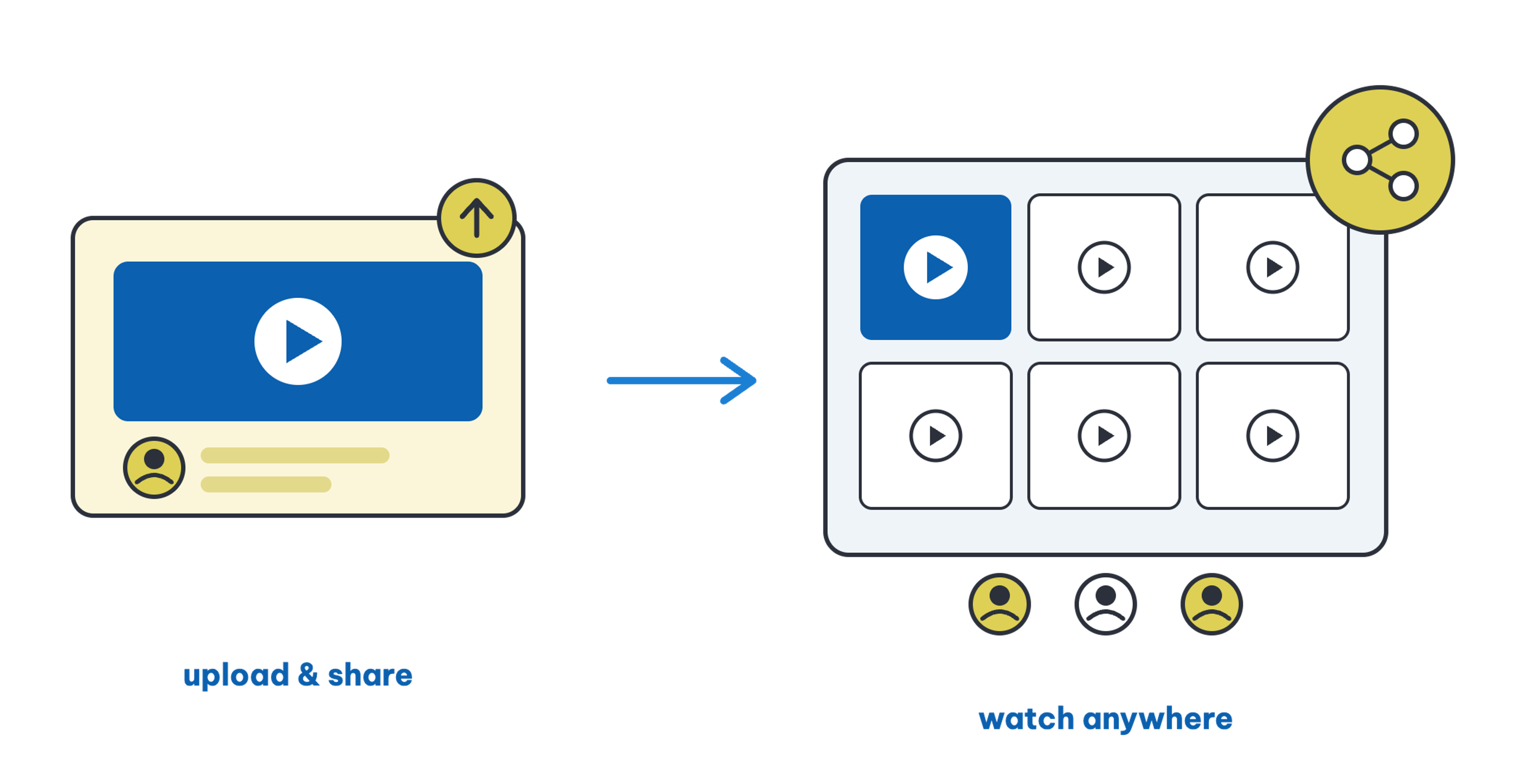
A VSP (Video Sharing Platform) is an online platform where users and creators can upload, share and watch videos themselves. The platform does not produce those videos and does not have editorial responsibility for them, but it does determine how the content is organised, for example through search functions and recommendation algorithms. Well-known examples include YouTube, TikTok, Instagram and Twitch.
The difference with a VOD service
With a VOD service (Video on Demand), such as Streamz, Netflix or VRT MAX, the provider selects which programmes and films are made available and has editorial responsibility for that content. On a VSP, the content is largely supplied by users and creators.
Origin of the term
VSP is not just a marketing term. Video Sharing Platform is also a legal concept under the European Audiovisual Media Services Directive (AVMSD). The current definition was established when the Directive was revised in 2018 and has been transposed into Belgian law through the media legislation of the different Communities: in Flanders through the Mediadecreet and in the French Community through the decree on audiovisual media services and video-sharing platform services. Outside the EU, video-sharing platform is also used as a general term for platforms such as YouTube and TikTok, but not necessarily with the same legal definition.
Example
A media agency buys advertising space for a soft drinks brand within videos on YouTube and TikTok, alongside linear TV and a VOD service. Because most of the content on these platforms is supplied by users and creators, the agency takes the content environment and brand safety into account when buying the campaign. If the brand works directly with a creator, that collaboration must also be clearly identifiable to viewers as advertising.
Why is VSP relevant to media planning?
Within Total Video, VSPs form a separate category alongside linear TV and VOD. For media agencies, platforms such as YouTube and TikTok are relevant for reach, audience targeting and video planning. Because most of the content is supplied by users and creators, VSPs also require particular attention to the content environment, brand safety and the way commercial partnerships are presented.


