
Second-party data
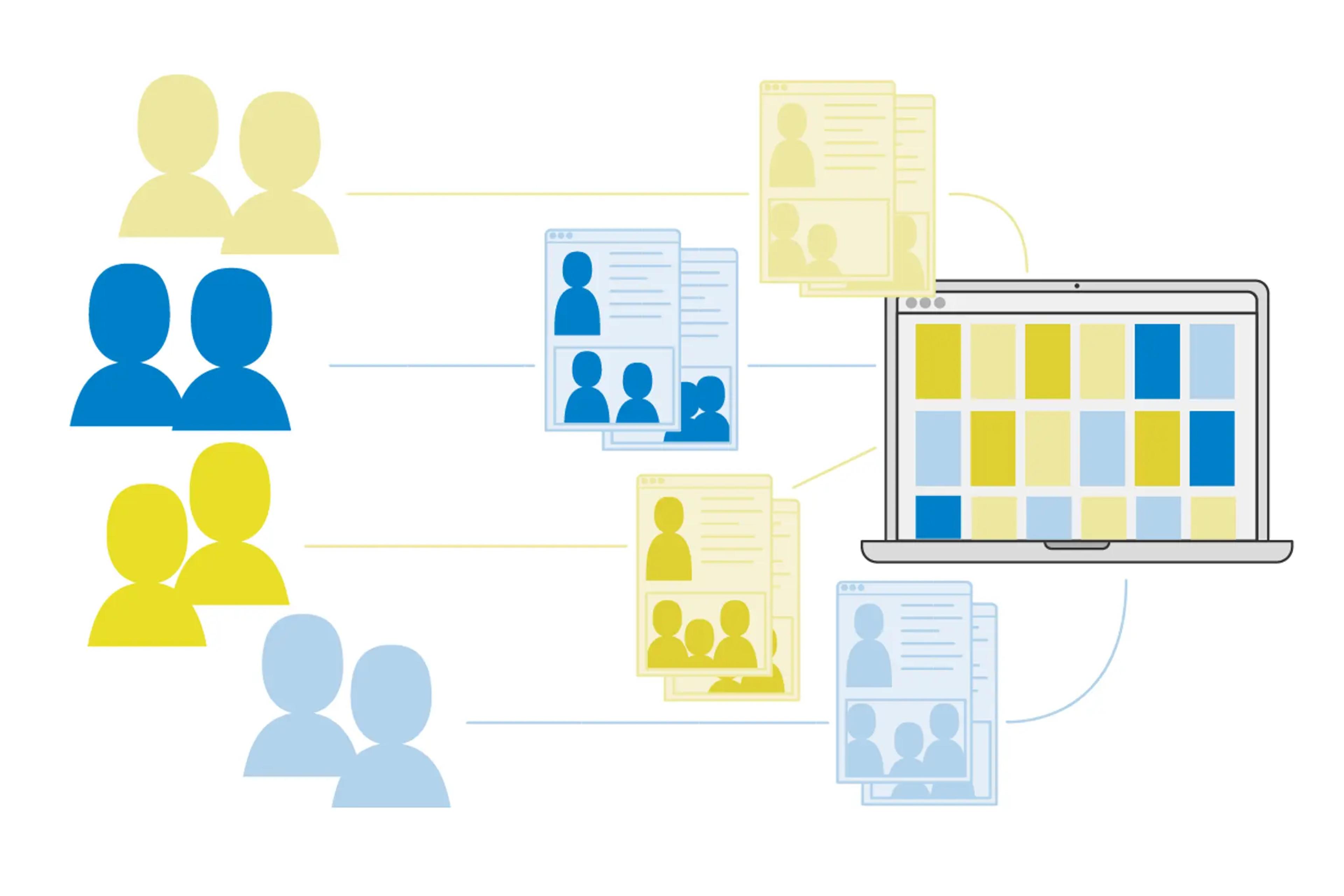
Second-party data is another organisation's first-party data that is shared with a partner organisation through a direct agreement. It is therefore not a separate type of data in its own right, but rather first-party data made available to another party.
Difference between first-party and third-party data
First-party data is collected directly by an organisation about its own customers, visitors or users. Third-party data is collected by organisations that have no direct relationship with the end user and is then made available to multiple buyers through data brokers or data marketplaces. Second-party data sits between these two: it is first-party data from a partner organisation that is shared through a direct business relationship.
How second-party data partnerships work
Two organisations with complementary, non-competing audiences agree to share audience segments, insights or other first-party data. This increasingly takes place through a data clean room or a similar privacy-preserving environment, allowing both organisations to expand their audience insights without relying on third-party data or external data brokers.
Example
An airline and a hotel chain both serve the same audience of travellers but are not direct competitors. Through a data partnership, the airline can target a campaign at a customer segment from the hotel chain that has recently booked a hotel stay, while the hotel chain can reach travellers who have recently booked a flight. In this way, both organisations expand their reach using trusted first-party data from a partner.
Second-party data partnerships are becoming increasingly important as third-party cookies become less available and privacy legislation imposes stricter requirements on the use of personal data. They enable organisations to expand their audience reach using high-quality data with a known origin and generally high reliability.


