
Data Clean Room
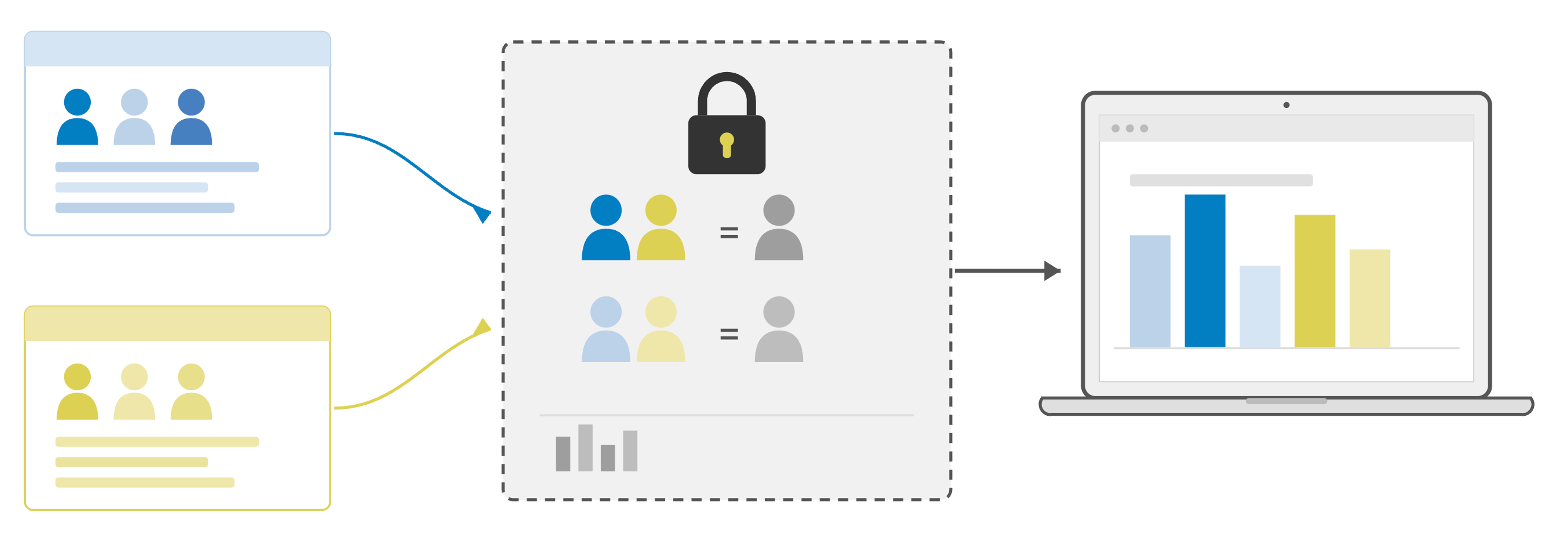
A data clean room is a secure environment in which two or more organisations can compare, analyse or combine data without exchanging each other's underlying personal data or raw datasets. The participating organisations retain control over their own data, while only pre-agreed analyses or aggregated results are made available.
How a data clean room works
Each organisation contributes its own first-party data to the data clean room. Within the secure environment, datasets can be matched or analysed according to predefined rules. Personal data remains protected and cannot leave the environment. The outputs typically consist of aggregated insights, audience segments or measurement results, without allowing individual people to be identified.
Use cases
Data clean rooms are used for audience analysis, campaign planning, advertising measurement, attribution, reach analysis and data partnerships between advertisers, publishers, retailers and media platforms. They play an important role in retail media, programmatic advertising and the secure use and sharing of first-party data.
Example
A retailer and a manufacturer want to determine which customers saw an advertising campaign and subsequently purchased a product. Both organisations upload their own first-party data into a data clean room. Within the secure environment, the datasets are analysed and only aggregated results are shared, such as the number of buyers reached and the effectiveness of the campaign. Neither organisation gains access to the other party's underlying personal data.
Data clean rooms are becoming increasingly important as organisations rely more heavily on first-party data, third-party cookies become less available and privacy legislation imposes stricter requirements on the sharing and processing of personal data. They enable secure data collaboration while allowing organisations to retain control over their own data.


