
Metaverse
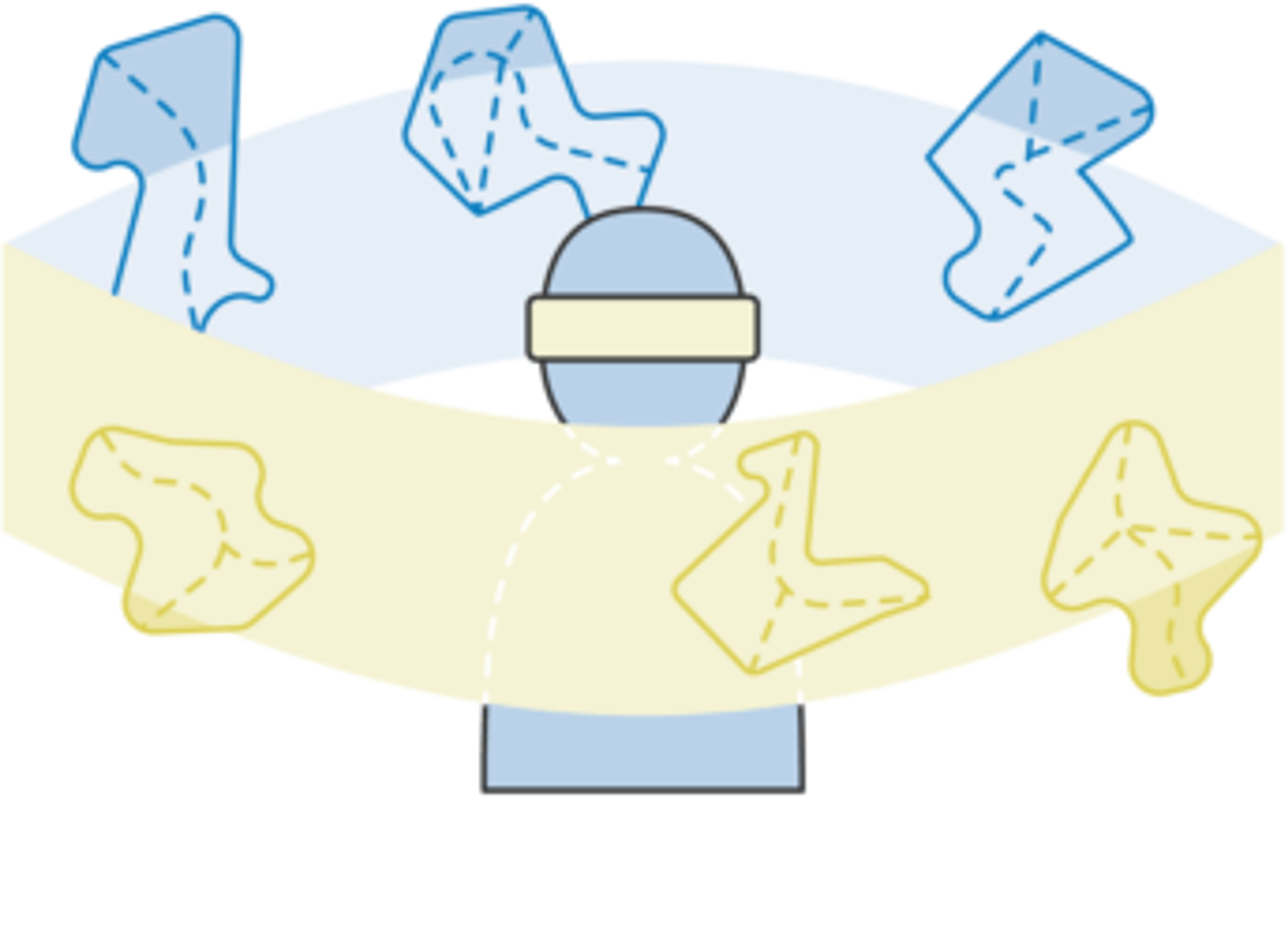
The metaverse is generally described as the vision of a network of interconnected three-dimensional virtual spaces that together form a platform-independent ecosystem comparable to our physical world. Digital and physical experiences are increasingly intertwined. If this vision is realised, the metaverse could provide companies and brands with new opportunities to interact with their audiences and create immersive brand experiences.
The term metaverse dates back to 1992, when Neal Stephenson introduced it in his science fiction novel Snow Crash. Although today's internet is still largely two-dimensional, technologies such as virtual reality (VR), augmented reality (AR) and artificial intelligence (AI) are gradually expanding digital experiences beyond traditional websites and apps.
Platforms such as Second Life, Roblox, Fortnite and Minecraft illustrate aspects of the metaverse. While none represents a fully realised metaverse, they demonstrate how people can socialise, create, trade, attend virtual events and build shared digital worlds.
Early visions of the metaverse placed cryptocurrencies and digital assets at the centre of a new virtual economy. Today, the focus has broadened to include immersive experiences, digital identity, interoperability between platforms and, increasingly, artificial intelligence.
The metaverse remains a long-term vision rather than a fully realised technology. Although many of its underlying technologies have matured, a fully interconnected virtual world has yet to become reality. Much of what is written about the metaverse should therefore still be regarded as a forward-looking vision rather than an established fact.
Brands continue to experiment with virtual worlds. Gucci created the Gucci Garden Experience on Roblox, where virtual fashion items were traded for prices comparable to those of physical luxury products. Heineken, by contrast, used the launch of a virtual beer to illustrate that not every real-world experience can—or should—be replicated in the metaverse.
Since the rise of generative AI, much of the attention surrounding the metaverse has shifted towards AI. At the same time, AI is increasingly seen as a key enabling technology for the metaverse, making it easier and more affordable to create 3D environments, generate digital content and develop immersive virtual experiences. Rather than replacing the metaverse, AI is widely regarded as a technology that could help make its long-term vision more achievable.


