
DMP (data-management platform)
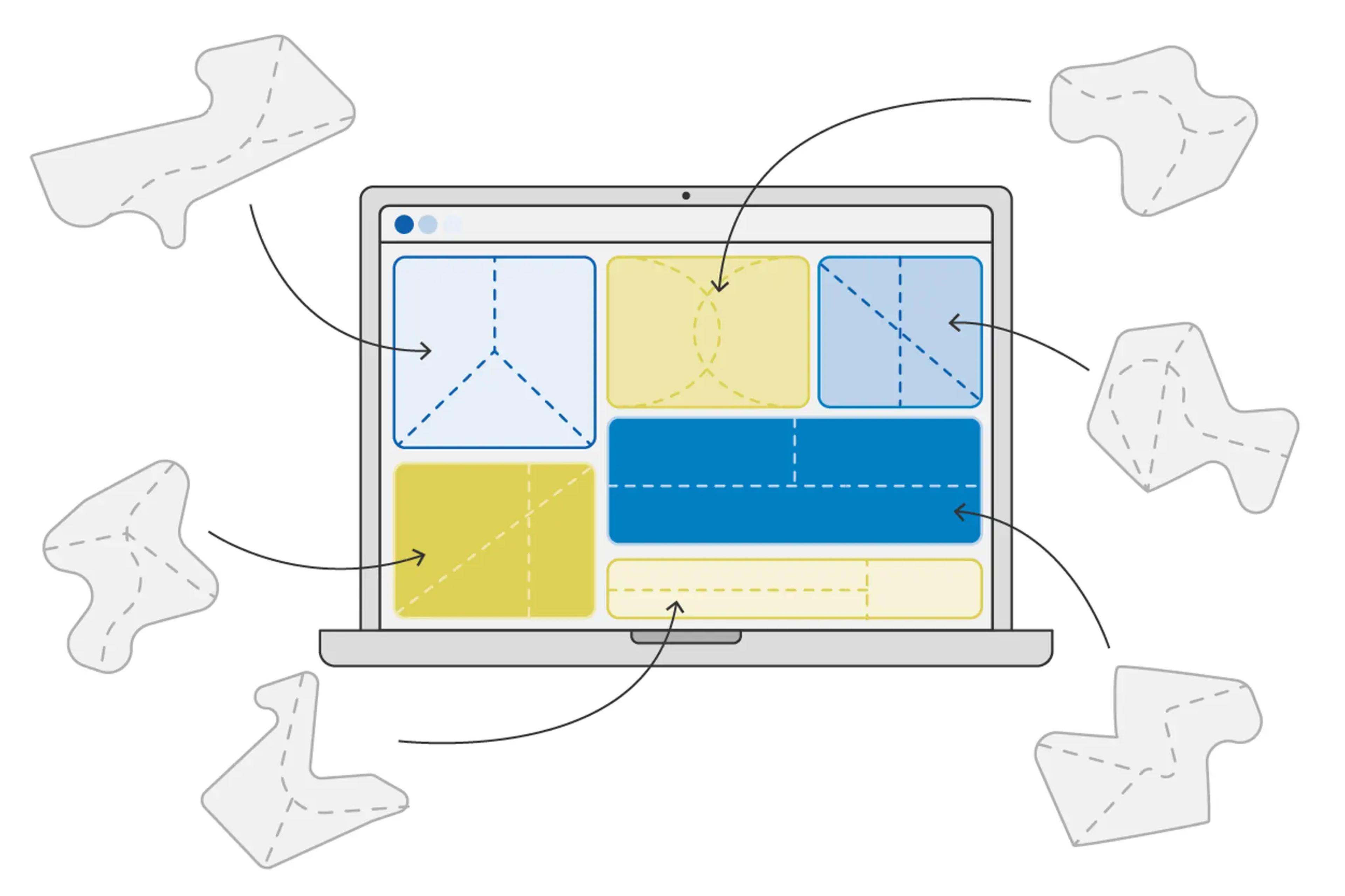
A Data Management Platform (DMP) is a software platform that enables organisations to collect, organise, analyse and activate large volumes of primarily anonymised audience data for digital marketing and advertising purposes.
DMPs are primarily used to segment audiences and make digital advertising campaigns more efficient and relevant. They combine data from multiple sources, enabling advertisers to reach audiences across multiple advertising platforms.
How does a DMP work?
A DMP processes data in several stages:
- Data collection
A DMP collects data from a wide range of sources, including websites, mobile apps, advertising platforms and external data providers. This may include first-party, second-party and—where regulations and technology still permit—third-party data. - Segmentation
The collected data is organised into audience segments based on characteristics such as interests, online behaviour, demographic attributes and contextual information. - Data analysis
The DMP analyses these segments, helping marketers gain valuable insights into the behaviour, interests and preferences of different audiences. - Audience activation
The audience segments can then be used for programmatic advertising, audience targeting, retargeting and campaign optimisation across advertising platforms.
DMPs and privacy
The role of DMPs has evolved significantly in recent years due to stricter privacy legislation, such as the General Data Protection Regulation (GDPR), and the declining availability of third-party cookies. Browsers such as Safari and Firefox block third-party cookies by default, while Chrome allows users to disable them through their privacy settings. As a result, organisations are increasingly relying on first-party data and privacy-friendly identification methods.
Organisations using a DMP remain responsible for the lawful processing of personal data and must comply with applicable privacy legislation.
DMP versus CDP
Although the terms are often used interchangeably, a Data Management Platform (DMP) and a Customer Data Platform (CDP) serve fundamentally different purposes.
A DMP is primarily focused on anonymised audience segmentation for digital advertising and typically works with temporary or pseudonymous profiles.
A CDP, by contrast, manages persistent first-party customer profiles and supports a broader range of marketing activities, including personalisation, marketing automation and customer relationship management (CRM).
As the availability of third-party cookies continues to decline, more organisations are adopting a CDP as their central customer data platform, while DMPs continue to play an important role in audience targeting and programmatic advertising.
See also:
- Customer Data Platform (CDP)
- Demand-Side Platform (DSP)
- Supply-Side Platform (SSP)
- Programmatic advertising


