
Programmatic Buying
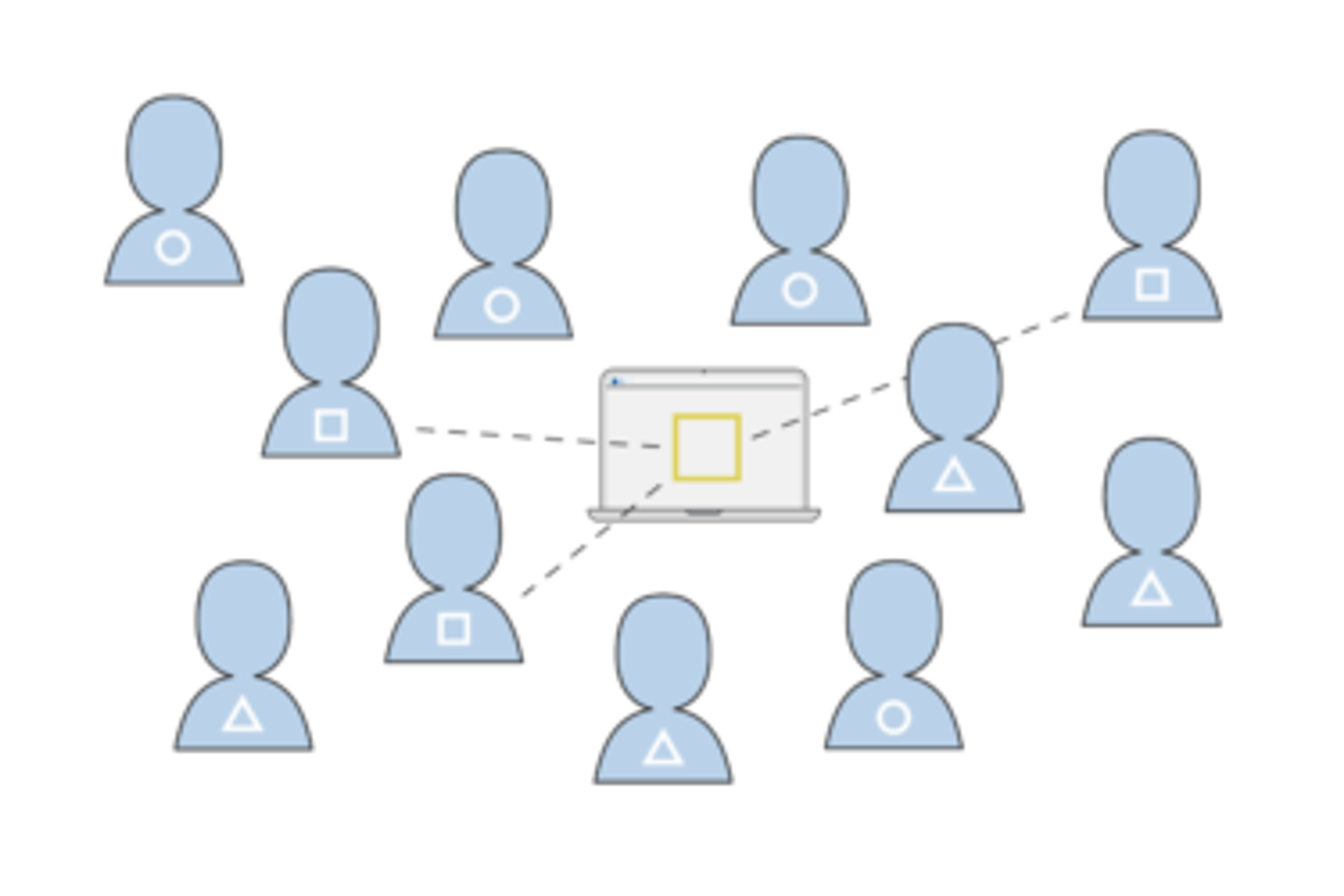
Programmatic buying is the automated purchase of digital advertising inventory using software and data-driven decision-making.
Programmatic buying uses data signals such as first-party data, contextual information, audience segments and other targeting criteria to determine which advertisement is shown to a specific user. In an open auction, the highest eligible bid often wins. However, publisher floor prices, programmatic guaranteed deals, preferred deals, ad quality and brand safety requirements also influence which advertisement is ultimately served.
A key advantage of programmatic buying is its flexibility. Campaigns can be monitored and optimized continuously while they are running. Advertisers can analyze which audiences, channels, times or regions deliver the best results and adjust bidding strategies, budgets and targeting accordingly. This makes it possible to continuously improve campaign performance instead of relying solely on decisions made before a campaign starts.
Programmatic buying generally offers four transaction models, listed in order of priority:
- Programmatic Guaranteed – Negotiated fixed CPM, guaranteed inventory, no auction.
- Preferred Deal – Negotiated fixed CPM, priority access before the open auction, no guaranteed inventory.
- Private Marketplace (PMP) – Invitation-only auction between selected advertisers and one or more publishers.
- Open Exchange – Open real-time auction in which eligible advertisers compete for available ad impressions.


