
API (Application Programming Interface)
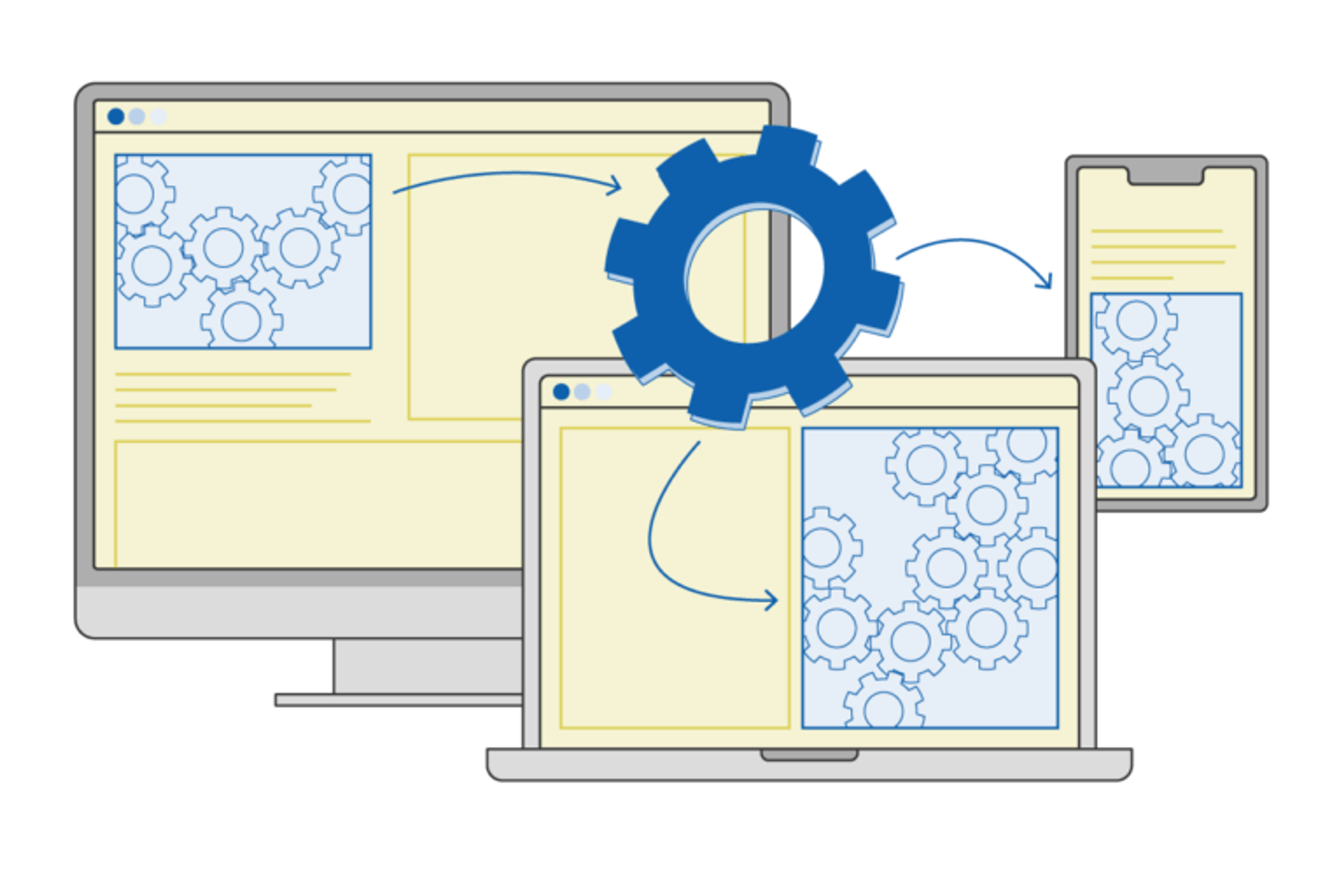
An API (Application Programming Interface) is a standardized interface that enables software applications to communicate with each other securely. Through an API, an application can request data, exchange information or use the functionality of another application without requiring access to its underlying source code.
APIs make it easy to integrate existing services into websites, apps and other software systems. This allows developers to build new applications without having to develop every feature from scratch.
Technology
An API consists of a set of rules and protocols that define how applications communicate with one another. It specifies which data or functions are available, how requests should be made and in which format the information is returned.
Most modern APIs exchange data in JSON format, although some systems also support XML. Many APIs are based on the REST architecture, while technologies such as GraphQL and gRPC are becoming increasingly common.
Who provides APIs?
Virtually all major technology companies and many SaaS providers offer APIs. Examples include Google Maps, YouTube, Microsoft 365, Stripe, Salesforce, OpenAI and Dropbox.
These APIs enable developers to integrate maps, process payments, synchronise documents or add AI functionality to their own applications.
There are several types of APIs:
- Private APIs are intended exclusively for internal use within an organisation.
- Partner APIs are made available to selected business partners.
- Public APIs are openly available to external developers, often subject to specific terms of use.
Example
Suppose you are developing a weather app and want to display real-time weather information.
Without an API, you would have to extract data directly from a website using web scraping. This approach is fragile because changes to the website can cause your application to stop working correctly.
With an API, you send a structured request to the weather data provider. If the request complies with the API's specifications, the requested information is returned in a standardised format. This keeps the integration stable, even if the provider changes the design of its website.
Why are APIs important?
APIs are the foundation of modern software development. They enable data and functionality to be exchanged securely, efficiently and at scale between systems. This allows organisations to focus on their core expertise while taking advantage of specialised services provided by other organisations.
Cloud applications, mobile apps, e-commerce platforms, payment services, social media and AI solutions such as ChatGPT all rely heavily on APIs to exchange information and functionality.


